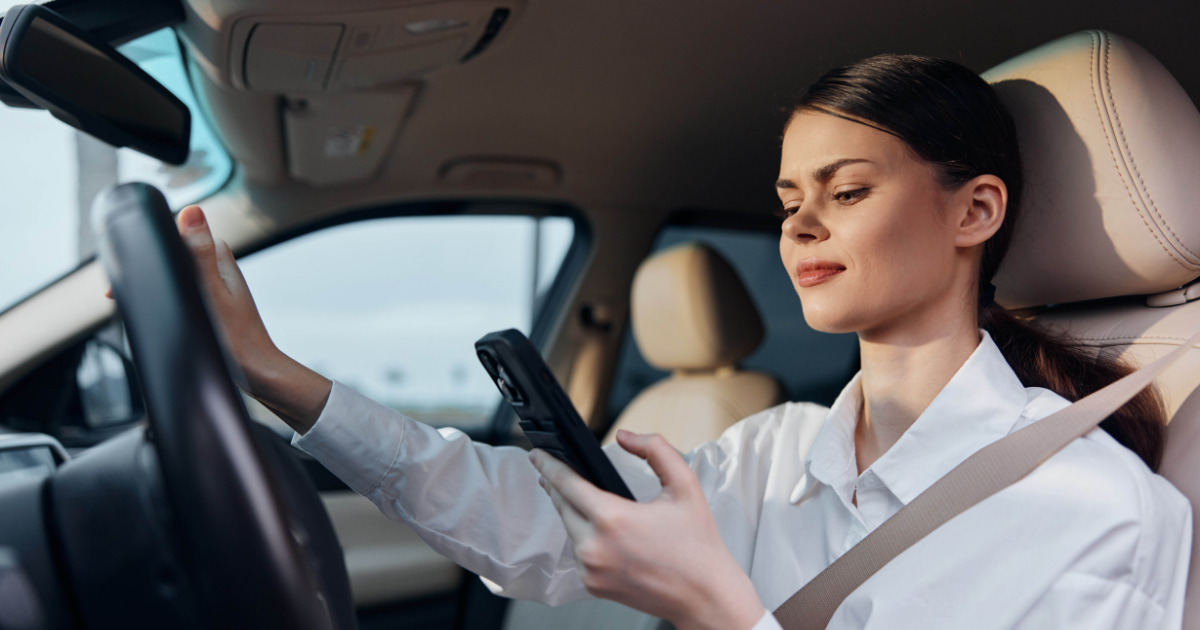

An Inland Empire distracted driving car accident claim occurs after a motorist loses focus, crashes, and injures another person anywhere across San Bernardino or Riverside counties. Taking one’s eyes off the road creates severe hazards on local freeways such as Interstate 10, Interstate 15, and State Route 60: A driver looking down to check a text for five seconds at freeway speeds travels the length of a football field without watching traffic.
According to 2024 data from the National Highway Traffic Safety Administration, 3,208 people died nationwide in crashes involving distracted motorists. These crashes occur quickly because inattentive motorists fail to stop for slowing traffic and frequently cause severe injuries on busy Inland Empire freeways. The team at Lerner, Moore, Silva, Cunningham & Rubel offers free consultations and charges no fees unless the firm wins the case. Individuals who suffer harm because of a careless driver may receive complete financial recovery.
Key Takeaways
- Distracted driving includes any action that takes a driver’s attention away from operating a vehicle safely.
- California traffic laws prohibit motorists from holding phones or typing text messages while behind the wheel.
- Injured individuals can recover compensation for medical bills, lost wages, and pain after a serious collision.
What Is Considered Distracted Driving in California?
Distracted driving includes any activity that pulls a driver’s physical, visual, or mental focus away from driving. Common examples include sending text messages, talking on handheld cell phones, eating food, adjusting navigation screens, and talking with passengers while behind the wheel.
What Causes Distracted Driving?
Distracted driving occurs whenever a driver’s focus is pulled away from the safe operation of their vehicle. These distractions fall into three main categories:
Visual Distractions (Taking your eyes off the road)
- Checking smartphone screens, text messages, or notifications
- Viewing roadside crashes, construction, or billboards
- Reading GPS maps and navigation displays
Manual Distractions (Taking your hands off the wheel)
- Eating, drinking, or smoking behind the wheel
- Reaching for dropped objects or items in the backseat
- Adjusting climate controls, radio stations, or vehicle settings
Cognitive Distractions (Taking your mind off driving)
- Daydreaming or getting lost in thought
- Focusing on work stress or stressful personal conversations
- Hands-free phone calls or deep discussions with passengers
California Distracted Driving Laws
California law strictly forbids motorists from holding a cell phone while driving a motor vehicle; adult drivers must use hands-free devices. Drivers under age 18 cannot use cell phones under any circumstances while behind the wheel, even with hands-free options. Violating these laws results in traffic fines, while repeated violations add points to a driver’s driving record.
How Distracted Driving Causes Serious Car Accidents
When motorists travel at high speeds along Interstate 15 or Interstate 10, brief moments of inattention can cause deadly collisions. Distracted drivers often fail to apply their brakes in time, which leads to hard rear-end crashes during heavy commute hours. These drivers also run red lights at busy intersections, drift into adjacent travel lanes, or strike pedestrians at crosswalks.
How Can I Prove That a Driver Was Distracted?
One way to prove distraction is using cell phone records that reveal active call activity matching the exact crash timestamp; that shows whether a driver was messaging right before the impact occurred. Additionally, officers at the scene can note driver admissions of guilt and physical evidence such as the cell phones. Other potential evidence includes witness statements, traffic camera video, electronic vehicle data, and social media posts.
Who Can Be Held Liable for a Distracted Driving Accident?
Individual motorists who choose to use electronic devices behind the wheel carry direct financial liability for damages, and companies face legal responsibility when employees cause crashes while completing work tasks or driving commercial vehicles. Furthermore, rideshare drivers who check app notifications while carrying passengers can cause preventable crashes.
Common Injuries Caused by Distracted Driving Accidents
- Whiplash: Neck muscle strain occurs when sudden impact forces violently jerk the head back and forth.
- Back and Spinal Cord Injuries: Direct impact pressure damages spinal discs or causes permanent loss of movement.
- Traumatic Brain Injuries: Head trauma and concussions happen when hitting side windows or deploying airbags.
What Compensation Can I Recover After a Distracted Driving Accident?
When harm occurs in distracted driving accidents, our Inland Empire distracted driving accident lawyers help clients claim money for past and future medical bills. Successful legal claims also cover lost income from missed work shifts, lower future earning potential, physical pain and suffering, and total repair or replacement costs for damaged vehicles.
What if the Distracted Driver Was Working at the Time of the Crash?
When an employee causes a crash while completing job duties, the employer may hold legal responsibility for the harm. Company vehicle crashes involving distracted workers allow injured parties to file claims against corporate insurance policies. Commercial drivers and delivery drivers must follow strict safety rules, which means employer liability claims often provide higher insurance policy limits for injured individuals.
What to Do After a Distracted Driving Accident in California
- Seek Medical Attention: Visit an emergency room or doctor promptly.
- Contact Law Enforcement: Call police officers to the scene.
- Document and Preserve Evidence: Photograph the scene, save medical receipts, and collect witness contact details.
- Avoid Discussing Fault: Speak calmly with officers without admitting blame or making recorded statements to adjusters.
- Contact an Attorney: Consult a legal professional who can investigate the crash and handle the claim.
How California Comparative Negligence Laws Affect Distracted Driving Cases
California uses a pure comparative negligence system, which means multiple drivers can share fault for a crash. If an insurance company claims an injured driver contributed to a collision, the total financial payout drops by that person’s percentage of fault.
How Long Do I Have to File a Distracted Driving Accident Claim in California?
The California statute of limitations gives injured individuals two years from the crash date to file a personal injury lawsuit against negligent drivers. Wrongful death claims require filing within a two-year window starting from the date a family member passed away. However, collisions involving government entities or public transit vehicles require filing a formal administrative claim within six months.
Frequently Asked Questions
How can I prove the other driver was texting?
You can prove the other driver was texting by obtaining witness statements, police reports, dashcam footage, or subpoenas for their cellular records.
Can phone records be used as evidence?
Yes, phone records can be subpoenaed to serve as critical evidence showing timestamps of sent texts or call logs matching the exact time of the crash.
What if the driver denies using their phone?
Even if the driver denies using their phone, digital forensics, cell tower data, and nearby surveillance footage can independently verify whether they were distracted.
Inland Empire Distracted Driving Accident Lawyers at Lerner, Moore, Silva, Cunningham & Rubel Hold Negligent Parties Accountable
If you believe that your crash was caused by another driver’s negligence, contact the Inland Empire distracted driving accident lawyers at Lerner, Moore, Silva, Cunningham & Rubel. Our experienced legal team will review your case and fight to secure full compensation. Call us at 909-889-1131 or fill out our online contact form to schedule your free consultation. Our offices are located in Ontario and Victorville, California.











Disclaimer | Privacy Policy | SMS Terms & Conditions
Making a false or fraudulent workers’ compensation claim is a felony subject to up to five years in prison or a fine of up to $50,000 or double the value of the fraud, whichever is greater, or by both imprisonment and fine. The information contained on this website does not guarantee, warranty, or predict the outcome of your case.
Attorney Advertising. The information on this website is for general informational purposes only and does not constitute legal advice. Viewing this site or contacting us does not create an attorney-client relationship. Testimonials or endorsements do not guarantee, warrant, or predict the outcome of your legal matter. Past results do not guarantee future outcomes. Attorney Darla Cunningham is responsible for the content of this website.