
Inland Empire roads carry heavy daily traffic across cities like Ontario, Riverside, San Bernardino, and Victorville, especially on highways like Interstate 10, Interstate 15, and State Route 60. With freight routes, local traffic, and long-distance travel sharing the same corridors, car accidents happen in the Inland Empire every day. When a collision occurs in this region, injured parties want to know who was liable and what legal avenues to explore for pursuing fair compensation for their damages. These claims depend on careful reviews of traffic reports, medical records, roadway details, and other evidence. For these cases, our Inland Empire car accident lawyers at Lerner, Moore, Silva, Cunningham & Rubel carefully gather and review the facts tied to each collision while focusing on how California traffic laws apply to the circumstances.
Key Takeaways:
- Traffic density across the Inland Empire increases the likelihood of crashes on both highways and local roads.
- Collision claims often rely on police reports, medical documentation, and scene evidence.
- Freight traffic and commuter flow play a major role in how many accidents develop in the region.
- Road design and construction zones along major freeways can influence crash patterns.
Why Are Traffic Conditions in the Inland Empire So Hazardous?
Traffic in the Inland Empire is shaped by commuter flow, freight movement, and growing population centers. Additionally, cities like Ontario and Fontana see steady truck activity tied to distribution hubs, which adds pressure on nearby highways and surface streets.
How Do Highway and Local Road Crashes Differ in This Region?
Highway collisions often involve higher speeds and lane changes on routes like I-10 and I-15, while local road crashes usually involve intersections and turning traffic. Each setting creates different patterns that affect how incidents are reviewed.
What Role Do Medical Records Play After a Crash?
The injured claimant’s medical documentation shows the type of injury, treatment timeline, and recovery process after a collision. Hospitals across Rancho Cucamonga, San Bernardino, and Ontario provide records that help establish the extent of harm; our Inland Empire car accident lawyers leverage that information to link crashes to injuries.
How Do Insurance Companies Review Inland Empire Collision Claims?
Insurance reviews typically focus on police reports, damage assessments, and recorded statements from those involved in the collision. When accounts differ, evidence becomes important in clarifying how the crash occurred and how losses are measured.
How Do Freeways Like I-10 and I-15 Affect Collision Patterns?
These highways carry high volumes of commuter and commercial traffic throughout the day. Congestion, lane shifts, and merging activity increase the chance of sudden braking and multi-vehicle crashes.
What Impact Do Commercial Vehicles Have on Local Crashes?
Commercial cars, vans, and trucks are common across Inland Empire routes due to nearby logistics centers and freight corridors. When they cause crashes, additional records such as driver logs and company data are often reviewed; their employers may share liability in these cases.
How Do Weather and Road Conditions Influence Driving Risks?
Heat, wind, and construction zones can all affect driving stability across the region. The Cajon Pass area, in particular, often has strong winds that make driving conditions hazardous.
Can Dashcam Footage Affect a Collision Review?
Dashcam footage can provide a clear timeline of events leading up to a crash, especially at busy intersections or freeway ramps. This visual record may support statements about speed, lane position, or signal timing, which can clarify key details that are not always fully captured in written reports.
What Happens After a Hit-and-Run Crash?
Hit-and-run cases often rely on witness accounts, surveillance videos, and vehicle debris and skid marks left at the scene. If the injured party is able to recall the vehicle’s year, make, model, and license plate number – or if they took photos – that evidence might help locate the hit-and-run driver. If that driver cannot be found, the injured party must rely on their own insurance coverage.
What Happens When Multiple Vehicles Are Involved in a Crash?
Multi-vehicle collisions require a detailed review of every involved party’s actions before and during the impact. In these cases, our Inland Empire car accident lawyers analyze factors like following distance, braking response, and lane position, because liability may be shared among more than one party.
How Do Road Maintenance Conditions Affect Collision Claims?
Dangerous road surface issues, such as uneven pavement, unclear lane markings, or temporary barriers from construction, can contribute to car accidents. Our Inland Empire car accident lawyers review maintenance records and project schedules to determine if roadway conditions contributed to the incident.
Can Passengers File Claims After a Crash?
Passengers may file claims when they suffer injuries in a collision, regardless of which driver was involved. These claims are typically based on evidence like medical documentation, seat position, and vehicle impact points to show how injuries occurred.
What Happens When Rental Vehicles Are Involved in Crashes?
When a rental vehicle is involved, our Inland Empire car accident lawyers find out if additional policies apply through any applicable rental agreements and relevant insurance coverage. We also look at the rental contracts, insurance declarations, and repair estimates for vehicle damage.
Can Vehicle Damage Patterns Show What Caused the Accident?
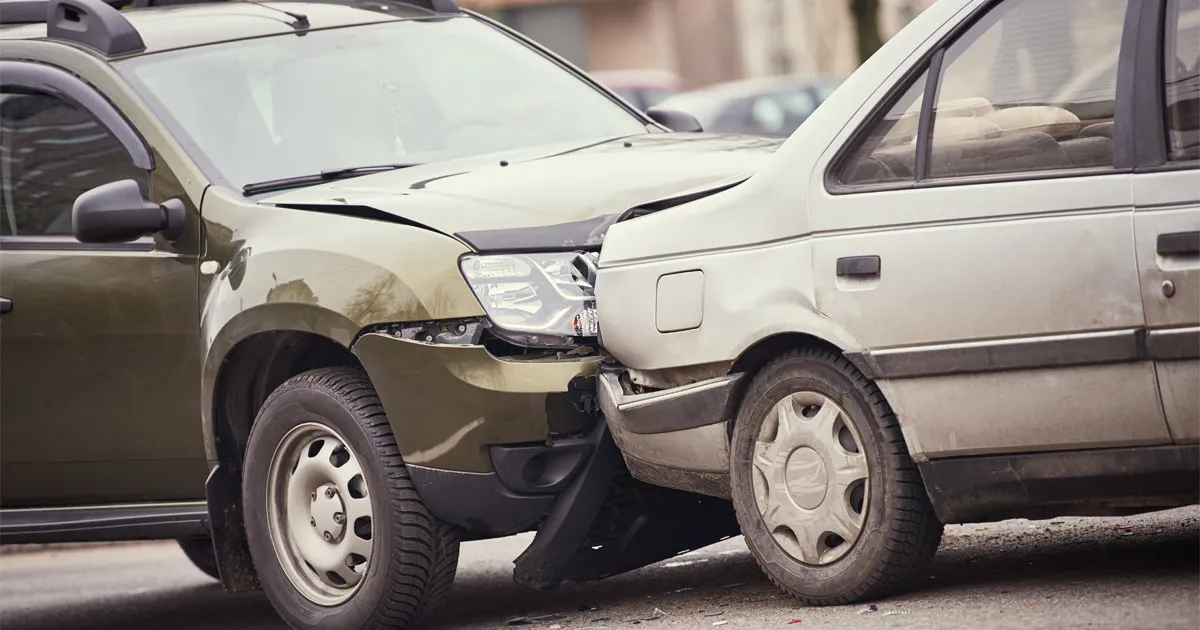
In many cases, vehicle damage assessments help show impact direction, speed changes, and collision points. That is why our Inland Empire car accident lawyers review that damage, repair estimates, and inspection reports alongside other evidence to help establish how the crash occurred.
Frequently Asked Questions:
What types of evidence are commonly used in collision cases?
Police reports, photos, witness statements, and vehicle damage records are commonly reviewed after a crash. These materials help establish a timeline of events.
Should I call my insurer after my car crash?
Call them promptly after the accident to report what happened, but do not share extensive details or admit fault. Saying the wrong thing could jeopardize your case.
Should I accept the insurance company’s settlement offer?
Insurance providers frequently provide low settlement offers after claims are filed, but we advise against signing one without consulting our legal team.
Our Skilled Inland Empire Car Accident Lawyers at Lerner, Moore, Silva, Cunningham & Rubel Are Committed to Legal Excellence and Getting You the Settlement You Deserve
You may be entitled to significant compensation for crash damages caused by another party’s negligence. To learn more, contact our Inland Empire car accident lawyers at Lerner, Moore, Silva, Cunningham & Rubel. To schedule a free consultation, call us today at 909-889-1131 or complete our online contact form. With office locations in Ontario and Victorville, California, we proudly serve clients in the surrounding areas.











Disclaimer | Privacy Policy | SMS Terms & Conditions
Making a false or fraudulent workers’ compensation claim is a felony subject to up to five years in prison or a fine of up to $50,000 or double the value of the fraud, whichever is greater, or by both imprisonment and fine. The information contained on this website does not guarantee, warranty, or predict the outcome of your case.
Attorney Advertising. The information on this website is for general informational purposes only and does not constitute legal advice. Viewing this site or contacting us does not create an attorney-client relationship. Testimonials or endorsements do not guarantee, warrant, or predict the outcome of your legal matter. Past results do not guarantee future outcomes. Attorney Darla Cunningham is responsible for the content of this website.