
Key Takeaways
- The Inland Empire rear-end accident lawyers at Lerner, Moore, Silva, Cunningham & Rubel handle claims tied to car accidents on I-10, I-15, SR-60, SR-91, I-215, and SR-210, where heavy commuter traffic makes rear-end collisions common.
- The rear driver is often presumed at fault in California, although liability is not automatic; factors such as sudden stops or mechanical failure can shift responsibility.
- Free consultations are available for anyone injured in a rear-end crash who wants to understand their legal options before speaking with an insurance adjuster.
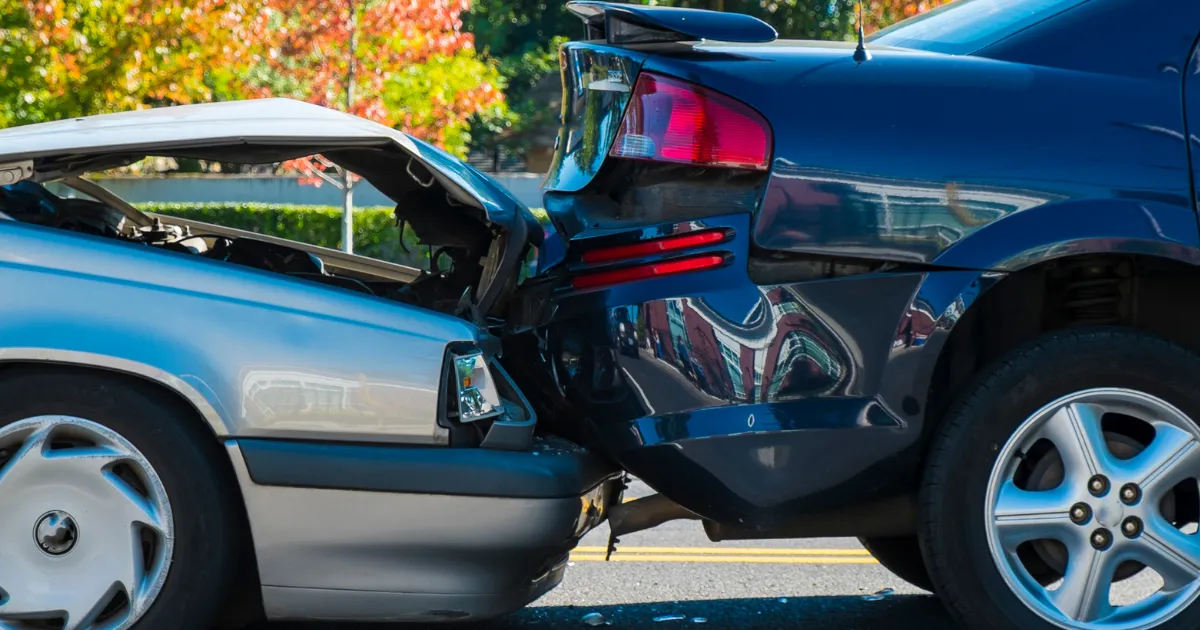
Rear-end collisions are among the most common crashes in California, and they happen often on busy Inland Empire roadways such as I-10, I-15, SR-60, SR-91, I-215, and SR-210. The California Office of Traffic Safety reports that National Highway Traffic Safety Administration (NHTSA) projections estimate more than 4,000 people were killed in motor vehicle crashes throughout California in 2023, or nearly 11 people every day, a heavy toll that reflects just how much risk sits on the state’s roads. Because freeway congestion in the Inland Empire creates constant stop-and-go conditions, one distracted moment behind the wheel can end in a crash.
Our Inland Empire rear-end accident lawyers at Lerner, Moore, Silva, Cunningham & Rubel offer free consultations for injured drivers who want to understand their legal options. Although the rear driver is usually presumed at fault, that presumption is not automatic, which is where our legal team helps protect an injured person’s rights from the start.
Who Is Usually at Fault in a Rear-End Accident in California?
The driver who rear-ends another vehicle is often presumed to be at fault, because drivers are expected to keep a safe following distance and stay alert. However, exceptions do exist. A sudden stop, a chain-reaction pileup, a mechanical failure, or shared negligence can all shift how fault gets assigned.
Why Rear-End Accidents Are So Common in the Inland Empire
Heavy commuter traffic across the region, combined with congestion on freeways such as I-10 and I-15, sets the stage for rear-end crashes. Construction zones on SR-60 and SR-91 add sudden slowdowns, while aggressive driving and stop-and-go conditions on I-215 and SR-210 raise the risk further.
The Most Common Causes of Rear-End Collisions
These include:
- Distracted driving
- Following too closely
- Speeding
- Sudden traffic congestion
- Impaired driving
Poor weather, brake failures, driver fatigue, and negligence by commercial drivers round out the most frequent causes seen in these cases.
California Laws That Affect Rear-End Accident Claims
California law requires drivers to maintain a safe following distance, which forms the basis for most rear-end negligence claims. When a driver fails to do this and causes a crash, negligence generally follows. California’s comparative negligence rule reduces compensation based on a person’s share of fault rather than blocking recovery entirely, and claims generally must be filed within two years of the accident.
Who Can Be Held Liable for a Rear-End Accident in California?
The rear driver is the most common party held liable, although a commercial trucking company or an employer may also share responsibility if a company vehicle caused the crash. A vehicle manufacturer, a government agency, or a road contractor can sometimes share liability as well, such as when a defective brake system or a poorly maintained road played a role.
Injuries Commonly Seen in Rear-End Accidents
Our Inland Empire rear-end accident lawyers see these injuries most often:
- Whiplash
- Neck injuries
- Back injuries
- Herniated discs
- Concussions
Traumatic brain injuries, shoulder injuries, facial injuries, spinal cord injuries, and chronic pain conditions also show up frequently after a rear-end crash.
Symptoms That May Not Appear Immediately
Some injuries take time to surface: Whiplash, concussions, internal injuries, and soft tissue damage can all go unnoticed for hours or even days after a crash. Because of that delay, a prompt medical evaluation is worth getting even when someone feels fine at the scene.
What to Do After a Rear-End Accident
Taking the right steps after a rear-end crash can improve your chances for pursuing fair compensation:
- Move to safety if possible.
- Call 911 to report the crash.
- Seek medical attention, even for minor symptoms.
- Exchange information with the other driver.
- Photograph the scene and vehicle damage.
- Get contact information from witnesses.
- Notify your insurer.
- Avoid discussing fault with anyone at the scene.
- Contact a lawyer before accepting a settlement.
What Compensation May Be Available?
Compensation depends on how serious the injury is and how it affects daily life going forward. It can include:
- Medical expenses
- Lost wages
- Pain and suffering
- Property damage
- Permanent disability
Future treatment costs, reduced earning capacity, emotional distress, and wrongful death damages may also factor into a personal injury claim.
Common Insurance Company Tactics
Insurance companies often use tactics designed to reduce what they pay, but skilled legal representation can level the playing field. The most common tactics include:
- Blaming pre-existing injuries
- Minimizing whiplash
- Offering quick settlements
- Delaying claims
- Questioning medical treatment
Can I Recover Compensation if I Was Partially at Fault?
California’s comparative negligence system still allows recovery even when someone shares some fault, since damages are simply reduced by that percentage. For example, a driver found 20% at fault on a $100,000 claim could still recover $80,000.
Rear-End Accidents Involving Commercial Trucks
Rear-end crashes involving commercial trucks tend to be more complicated than standard car accidents. Federal safety regulations govern trucking companies, and the larger insurance policies often mean more resistance during a claim. Employer liability, driver qualification files, and electronic logging device data can all shape how fault gets determined and how strong a case becomes.
Fatal Rear-End Accidents
When a rear-end crash results in death, surviving family members may be able to file a wrongful death claim. Eligible family members typically include a spouse, children, and other dependents. Damages in these cases may cover funeral costs, lost financial support, and the loss of companionship the family experienced.
Why You Should Hire an Inland Empire Rear-End Accident Lawyer
Hiring a local attorney soon after a rear-end crash can shape how the whole case turns out, since evidence disappears fast and insurance companies tend to move quickly to protect their own interests. A local firm brings a few advantages to the table:
- Preserving evidence. Police reports, surveillance footage, and witness accounts can change or vanish over time.
- Negotiating with insurers. An attorney can push back against lowball offers and delay tactics.
- Calculating damages. A full accounting of costs and future needs helps avoid an undervalued settlement.
- Local knowledge. Familiarity with Inland Empire courts and crash patterns on roads like I-10 and I-15 can strengthen a case.
- Working on contingency. Legal fees generally come out of a settlement rather than upfront.
A dedicated legal team also litigates when a fair settlement is not on the table, works with medical experts to document injuries, and stays in close communication with clients throughout the case.
Frequently Asked Questions
Who is usually at fault in a rear-end accident in California?
The rear driver is often presumed at fault, although exceptions apply depending on the circumstances of the crash.
Is whiplash considered a serious injury?
Whiplash can range from mild to serious, and lasting symptoms may qualify it as a significant injury requiring ongoing treatment.
Do I need a lawyer for a rear-end accident claim?
Although not legally required, a lawyer can help protect an injured person’s rights and push back against common insurance tactics.
Inland Empire Rear-End Accident Lawyers at Lerner, Moore, Silva, Cunningham & Rubel Turn Freeway Chaos Into a Clear Legal Path Forward
For legal assistance after a rear-end crash, turn to the Inland Empire rear-end accident lawyers at Lerner, Moore, Silva, Cunningham & Rubel. Our experienced legal team will investigate your accident and fight to secure full and fair compensation. Call us at 909-889-1131 or contact us online to schedule a free case review. Our offices are located in Ontario and Victorville, California.










Disclaimer | Privacy Policy | SMS Terms & Conditions
Making a false or fraudulent workers’ compensation claim is a felony subject to up to five years in prison or a fine of up to $50,000 or double the value of the fraud, whichever is greater, or by both imprisonment and fine. The information contained on this website does not guarantee, warranty, or predict the outcome of your case.
Attorney Advertising. The information on this website is for general informational purposes only and does not constitute legal advice. Viewing this site or contacting us does not create an attorney-client relationship. Testimonials or endorsements do not guarantee, warrant, or predict the outcome of your legal matter. Past results do not guarantee future outcomes. Attorney Darla Cunningham is responsible for the content of this website.